ModelCheckr Cloud Enhances SolidWorks Workflows with Advanced DFM Checks
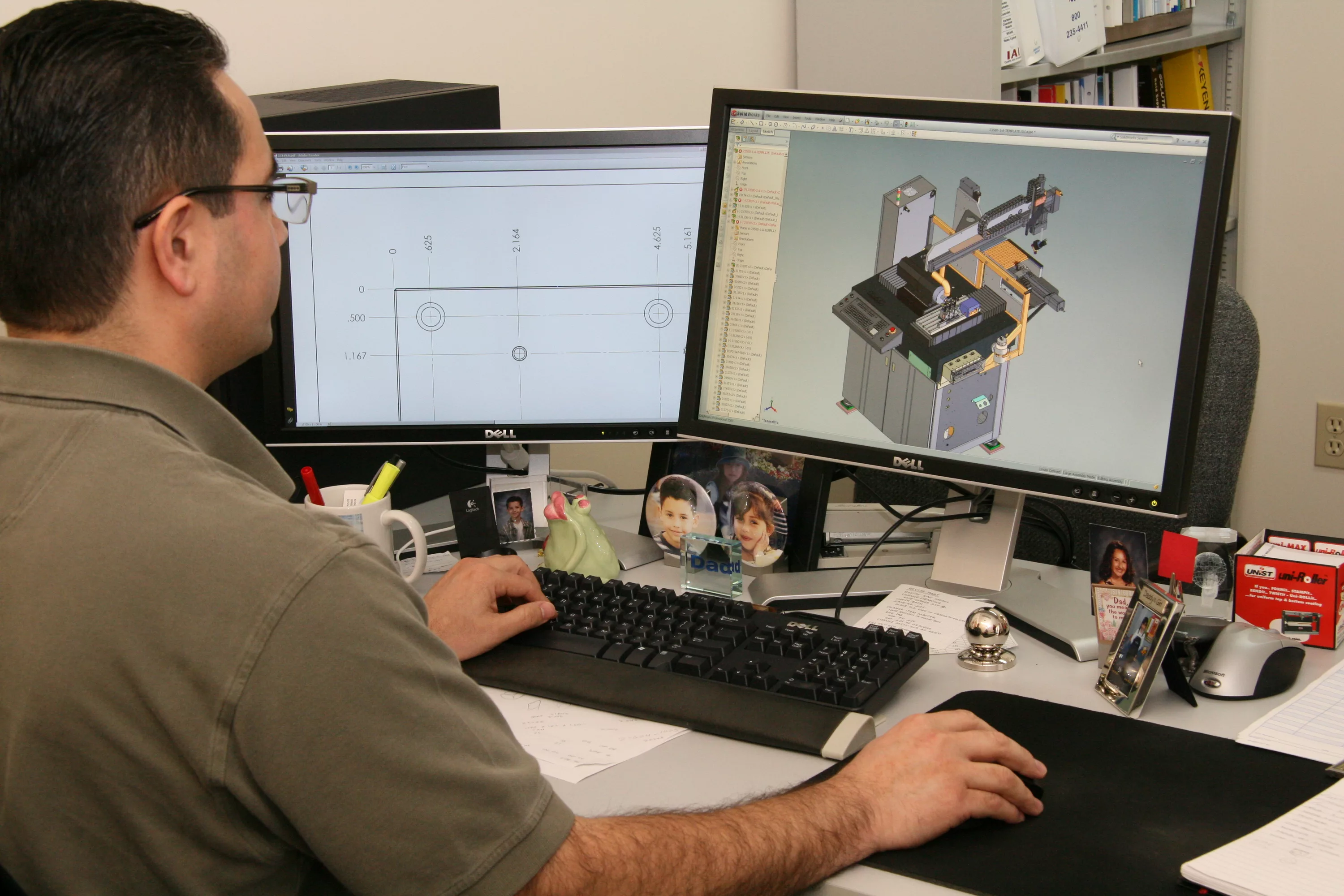
ModelCheckr Cloud has launched a significant update, integrating advanced Design for Manufacturability (DFM) checks directly into SolidWorks workflows. This enhancement empowers engineers to identify and resolve potential manufacturing issues much earlier in the design process. The update provides granular analysis for various production methods, including machining, injection molding, and additive manufacturing, optimizing designs for efficient and cost-effective production.
Previously, design validation often relied on manual reviews and external consultations, leading to operational challenges. Engineers frequently faced delays due to iterative design changes identified late in the development cycle. The absence of real-time, integrated DFM feedback meant critical manufacturing constraints were sometimes overlooked, resulting in costly rework, extended lead times, and increased material waste. This fragmented approach hindered seamless progression from design to production, impacting project timelines and resource allocation.
The implementation of these new DFM capabilities involved a rigorous development cycle. Our engineering teams focused on creating robust algorithms to accurately simulate manufacturing processes and identify geometric complexities. A comprehensive testing phase followed, involving internal quality assurance and a select group of beta users. Their feedback was instrumental in refining the algorithms and user interface, ensuring features were both powerful and intuitive. A phased rollout strategy allowed for continuous monitoring and optimization, culminating in a stable release. 
This technical upgrade has profoundly impacted both internal team workflows and client design processes. For our internal teams, the integration reduces manual verification tasks, allowing focus on complex problem-solving. Clients using SolidWorks now benefit from immediate DFM insights directly within their design environment, fostering a proactive approach to design optimization. This early detection of potential manufacturing hurdles streamlines the entire product development lifecycle, significantly improving cross-functional collaboration between design, engineering, and manufacturing departments.
The tangible results of this update are evident in several key areas. Design validation cycles are significantly accelerated, with automated checks providing near-instant feedback. This leads to enhanced design accuracy and a reduction in post-design modifications. The convenience of integrated DFM tools means engineers can iterate on designs with greater confidence. Ultimately, this fosters the creation of more robust and production-ready designs, contributing to a more efficient and effective product development pipeline.