
Detect CAD Errors Early: ModelCheckr Cloud Streamlines Your Path to Production

ModelCheckr Cloud has rolled out a significant technical update to its core platform, introducing an advanced suite of CAD model validation tools designed for proactive error detection and enhanced design integrity. This comprehensive enhancement focuses on improving the precision and speed of identifying potential issues within complex engineering designs, ensuring a smoother transition from conceptualization to production.
Previously, engineering and design teams frequently encountered challenges associated with identifying critical CAD errors late in the product development lifecycle. These issues often led to extensive rework cycles, project delays, and increased resource allocation for defect resolution. The limitations of earlier validation methods meant that subtle yet impactful discrepancies could propagate through design stages, ultimately affecting manufacturing readiness and overall operational efficiency.
The development of this update involved an intensive research and development phase, followed by an iterative design and coding process. Our engineering teams conducted rigorous internal testing across diverse CAD environments, complemented by a targeted beta program with select industry partners. This comprehensive validation ensured the stability, accuracy, and effectiveness of the new features before a phased public release, demonstrating a commitment to robust and reliable solutions. 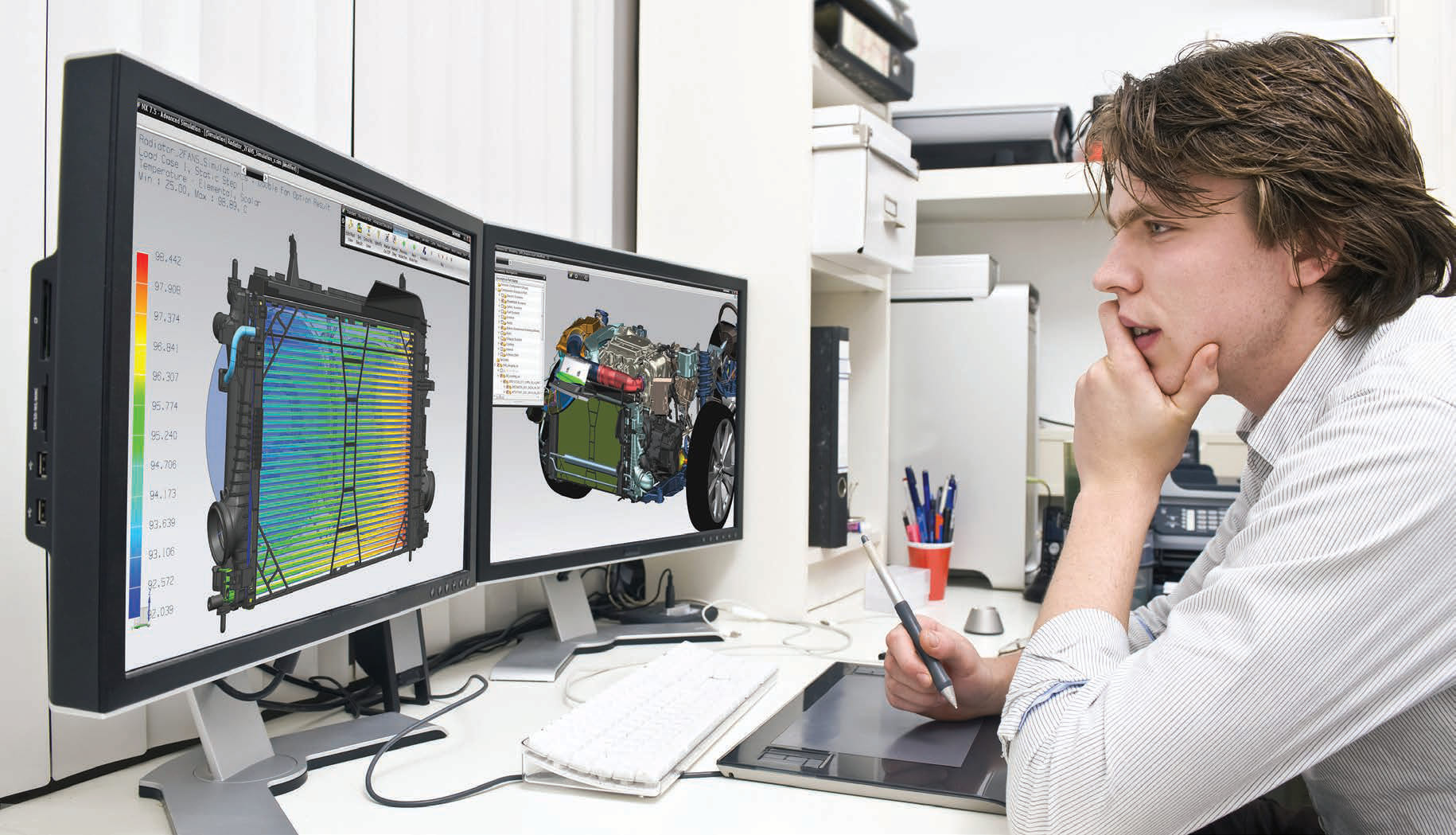
The implementation of these new capabilities has substantially transformed internal workflows, enabling design engineers to identify and rectify potential issues much earlier in the design process. For clients utilizing ModelCheckr Cloud, this translates into a more streamlined path from design to manufacturing, fostering greater confidence in their digital models and significantly reducing the likelihood of costly physical prototypes or production line interruptions. Collaboration between design, engineering, and manufacturing departments is also enhanced through a unified and reliable validation framework.
The immediate results demonstrate a marked improvement in several key areas. Validation processes are now completed with significantly greater speed, providing rapid feedback to designers and accelerating iteration cycles. The precision of error detection has been enhanced, reducing false positives and improving the accuracy of identified discrepancies, such as geometric inconsistencies, standard compliance violations, and assembly errors. Users report a more intuitive experience, allowing for quicker adoption and seamless integration into existing toolchains, ultimately contributing to higher quality output and more efficient project delivery.
Felix Hart
The description of the validation process is quite detailed. It would be interesting to see specific examples of the types of errors detected by the new tools.
Ellen Snyder
This update sounds like a significant step forward for early error detection. Our team is looking forward to integrating these new features into our workflow.
Donovan Rodriguez
How does this update specifically address the scalability challenges for larger CAD assemblies with millions of components?
Gloria Mitchell
Thank you for your feedback. We are planning a follow-up technical deep-dive that will include specific case studies and examples of error detection capabilities to illustrate the new tools' effectiveness.
Tony Knight
We are delighted to hear that! Our support team is ready to assist with any integration queries or provide guidance on leveraging the new features for optimal results.
Margaret Bennett
The architectural enhancements in this update directly improve scalability by optimizing data processing algorithms and memory management, allowing for more efficient handling of complex and large-scale CAD assemblies without compromising performance.